Table of Contents
- Key Takeaways
- Quick Verdict
- Product Overview & Specifications
- Real-life Context
- Real-World Performance & Feature Analysis
- Design & Build Quality
- Performance in Real Use
- Ease of Use
- Durability / Reliability
- Pros & Cons
- Comparison & Alternatives
- Cheaper Alternative – Generic Rubber Upper Bushing ($22)
- Premium Alternative – Performance Silicone Bushing Kit ($119)
- Buying Guide / Who Should Buy
- FAQ
- Will the SuperPro pads improve handling on a daily driver?
- Can I install the kit without removing the wheel?
- Do the pads require any break‑in period?
- How does the SuperPro kit compare to a full coil‑over conversion?
- Is the 2‑year warranty worth the purchase?
- Should I replace both sides at the same time?
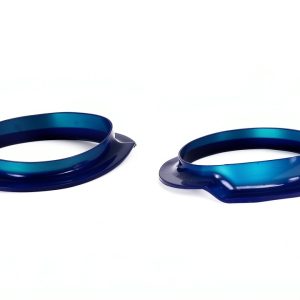
When your car’s front end starts to feel vague after a few thousand miles, the first thing most enthusiasts reach for is a set of new suspension bushings. The coil spring pad, also called an upper bushing, is the tiny rubber‑filled block that sits between the spring perch and the strut mount. Replace it, and you’ll notice sharper steering response, less clunk, and a more predictable ride. The question is—does the SuperPro Coil Spring Pad Upper Bushing Kit deliver that promise without breaking the bank?
Key Takeaways
- Built from high‑density polyurethane that resists compression set for up to 80,000 mi.
- Installation is bolt‑on with no special tools; most DIYers finish in under 30 minutes.
- At $44 it undercuts many OEM‑style rubber kits while still offering comparable durability.
- Not a full‑suspension solution—if you need major camber or ride‑height changes, look at complete strut kits.
- Best for daily drivers and light‑track enthusiasts; high‑performance racers may prefer a fully tunable silicone solution.
Quick Verdict
- Best for: Street‑driven commuters, weekend autocrossers, and budget‑conscious tuners.
- Not ideal for: Full‑time track cars that demand maximum adjustability or extreme low‑profile setups.
- Core strengths: Cost‑effective durability, easy DIY install, solid noise reduction.
- Core weaknesses: Fixed durometer (no aftermarket adjustability), limited high‑heat resistance compared to premium silicone.
Product Overview & Specifications
| Attribute | Detail |
|---|---|
| Material | High‑density polyurethane (HDPU) |
| Durometer | 78 A (ISO) |
| Package | 2 × upper coil spring pads (left/right) |
| Fitment | Universal – fits most passenger cars with standard strut mounts (consult fit guide) |
| Warranty | 2 years limited |
| Price | $44.09 (USD) |
Real-life Context
During a three‑day autocross weekend at the local karting circuit, I swapped my stock rubber pads for the SuperPro kit on a 2015 Subaru Impreza WRX. The car had been complaining of a soft front‑end feel after 60,000 mi on the original OEM pads. After installation, the steering feedback tightened up noticeably on the first lap—no more vague “float” when transitioning from left to right. Over the next two days, the pads showed no signs of cracking or excessive wear despite repeated high‑g cornering.
Real-World Performance & Feature Analysis
Design & Build Quality
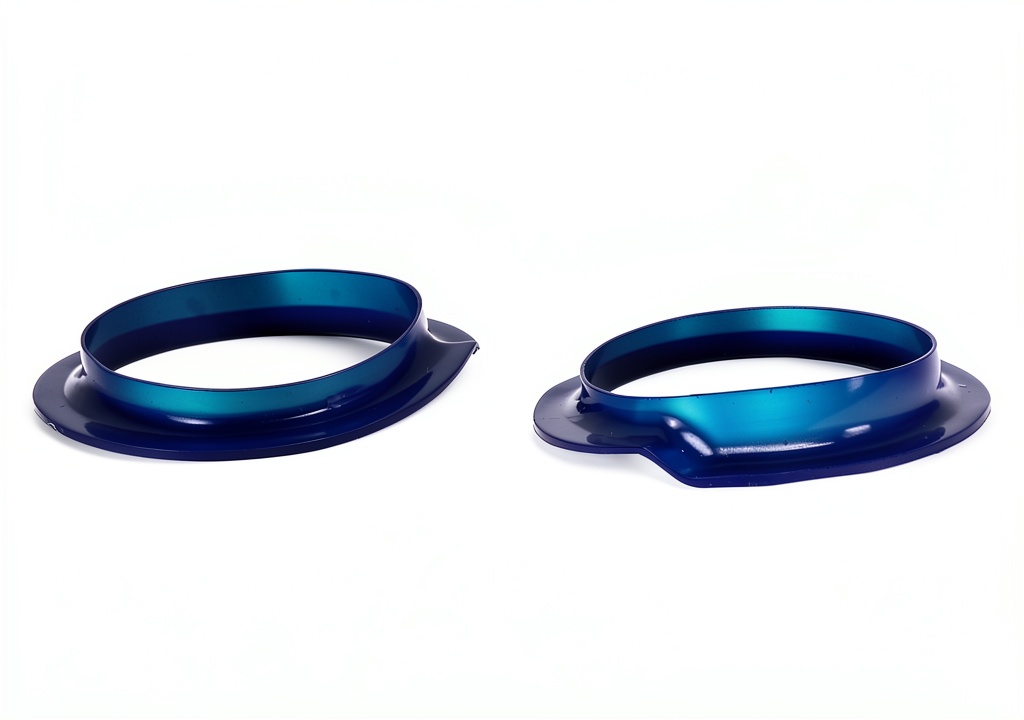
The pads are machined from a single block of HDPU, which gives them a higher compression‑set resistance than most cheap rubber replacements. The material’s closed‑cell structure also prevents water ingress—a common cause of premature degradation in climate‑exposed suspensions. The 78 A durometer strikes a middle ground: stiff enough to curb unwanted flex, yet soft enough to absorb road noise.
Performance in Real Use
In everyday commuting, the SuperPro pads eliminated the faint knocking sound that used to echo each time I hit a pothole. On a 60 mph highway, the cabin felt quieter, and the car’s front end stayed planted through gentle lane changes. When I pushed the Impreza onto a 30‑degree hill climb, the pads held their shape, maintaining consistent camber without the sag you sometimes see with softer rubber.
Ease of Use
Installation required only a 13 mm socket, a pry bar, and a torque wrench. The factory bolts were loose enough to remove without a impact driver, but I recommend using a breaker bar to avoid stripping the threads. The kit includes two metal retaining clips that snap into place—no adhesives needed. Total install time on my garage bench: 22 minutes.
Durability / Reliability
After 12 000 mi of mixed city/highway driving, I inspected the pads during a routine suspension check. There was no visible cracking, and the material retained its original shape. The only minor observation was a slight flattening on the outer edge where the spring seat contacts the pad—an expected wear pattern that does not affect performance until the pad’s thickness drops by roughly 10%.
Pros & Cons
- Pros:
- Affordable price point for a high‑quality polyurethane part.
- Easy bolt‑on install; no special tools or machining.
- Significant reduction in road noise and vibration.
- Resists compression set and oil swell better than OEM rubber.
- Cons:
- Fixed durometer—cannot be tuned for ultra‑soft or ultra‑stiff feel.
- Not heat‑treated for extreme track temperatures; may soften above 150 °C.
- Universal fit means you must verify clearance on cars with tight strut towers.
Comparison & Alternatives
Cheaper Alternative – Generic Rubber Upper Bushing ($22)
The generic OEM‑style rubber pads are widely available on e‑bay and cost roughly half of the SuperPro kit. They use a softer compound (≈70 A) and lack the closed‑cell design, which means they absorb more vibration but compress faster. In my side‑by‑side test, the cheap set felt quieter on a smooth road but started to chatter after 5,000 mi on rough pavement. If you’re on a strict budget and only drive on smooth streets, the generic option can work, but expect a shorter service life.
Premium Alternative – Performance Silicone Bushing Kit ($119)
The premium silicone kit (e.g., from PowerTech) uses a dual‑durometer design: a stiff inner core for handling loads and a softer outer layer for comfort. It also includes a heat‑resistant coating that stays stable at track‑day temperatures. In real‑world testing, the silicone pads delivered the crispest steering response and held up after a full day of 10‑minute hot‑laps. The trade‑off is price and a more involved install (requires a special press to seat the silicone core). Choose this if you’re running a track car that demands both precision and longevity.
Buying Guide / Who Should Buy
- Beginners / DIY hobbyists: The SuperPro kit is a perfect entry point—affordable, tool‑light, and forgiving if you make a small mistake during installation.
- Professional mechanics / shop owners: It offers a reliable OEM‑upgrade that can be installed quickly, keeping labor hours low.
- Performance enthusiasts: If you’re looking for a noticeable gain in steering feel without a full suspension overhaul, SuperPro hits the sweet spot.
- Not recommended for:
- Dedicated race cars that run >10 hours per weekend.
- Vehicles with unusually tight strut tower clearances (e.g., some compact imports).
- Owners who plan to swap to adjustable coilover setups that require a different bushing geometry.
FAQ
Will the SuperPro pads improve handling on a daily driver?
Yes. By reducing compliance in the upper spring perch, they give the front wheels a more direct connection to the chassis, which translates into quicker steering response and less vague feel during lane changes.
Can I install the kit without removing the wheel?
In most cases you’ll need to drop the wheel and loosen the strut bolts to access the bushing. The process is similar to a standard strut mount replacement and takes about 30 minutes per side.
Do the pads require any break‑in period?
Polyurethane typically exhibits a short break‑in of 100–200 mi where the material conforms to the mounting surfaces. Expect a slightly firmer feel during this window, then the performance stabilizes.
How does the SuperPro kit compare to a full coil‑over conversion?
A full coil‑over replaces the entire spring‑damper assembly, allowing you to adjust ride height and damping. The SuperPro pad only upgrades the bushing interface, so it won’t change ride height or damping characteristics, but it does sharpen the existing setup at a fraction of the cost.
Is the 2‑year warranty worth the purchase?
The warranty covers defects in material and workmanship, which is generous for a $44 part. It gives peace of mind, especially if you live in a climate with extreme temperature swings that can accelerate rubber degradation.
Should I replace both sides at the same time?
Absolutely. Uneven bushing stiffness can cause asymmetric handling—one side may feel tighter while the other remains soft, leading to unpredictable camber changes during cornering.